Key Services Provided by Arborists: Safeguarding Your Trees and Landscape
Arborists serve a crucial purpose in maintaining the health of trees and enhancing landscapes. Their knowledge covers a range of key services, from planting and diagnosing ailments to effective pruning and pest management. These experts not only elevate the beauty of properties but also contribute to broader environmental goals. Understanding the specific techniques and practices employed by arborists reveals how they protect our green spaces and guarantee the sustainability of tree populations. What difficulties arise in the course of their professional responsibilities?
The Vital Role of Arborists in Tree Care
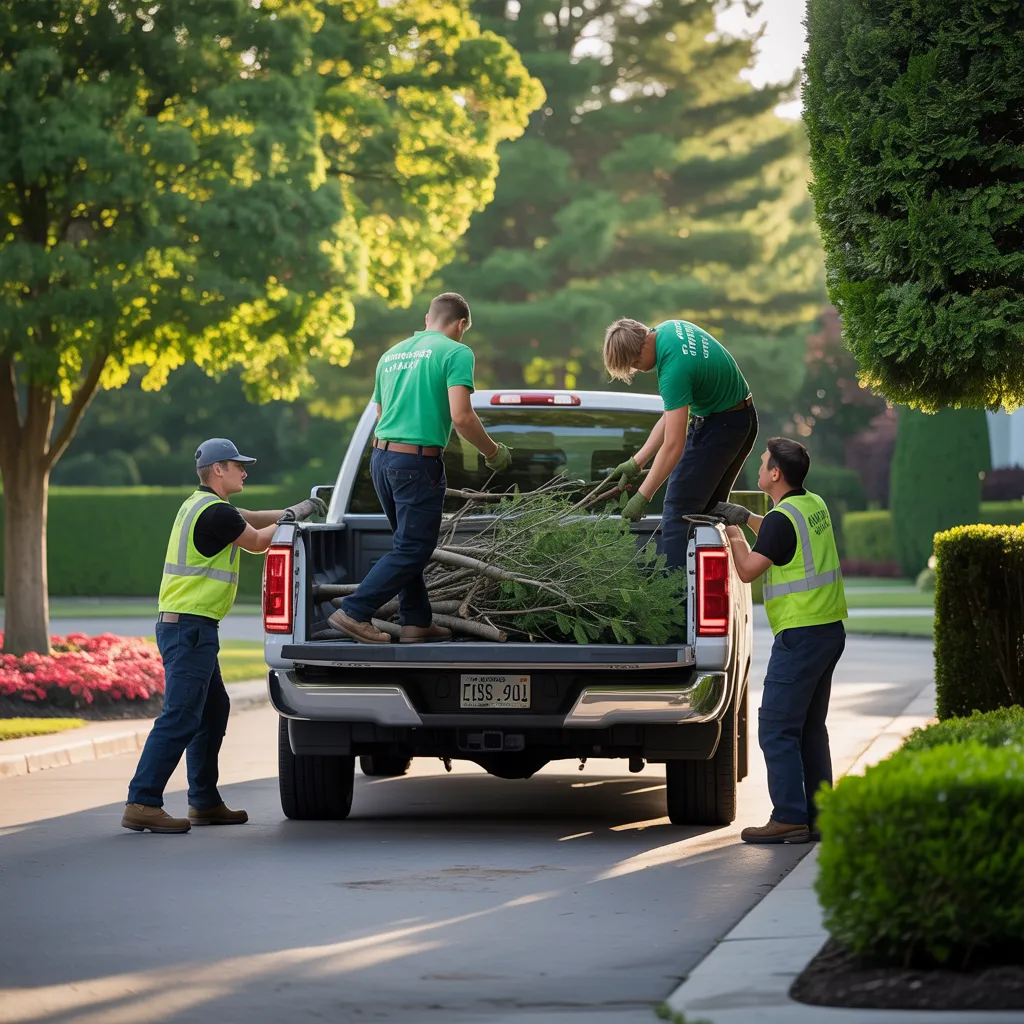
Arborists play an essential role in the health and maintenance of trees, ensuring their vigor and longevity. These certified specialists have an extensive knowledge of arboricultural biology and ecology, enabling them to evaluate tree health with precision. They identify diseases, pests, and environmental stresses that may threaten tree health. Arborists also provide essential services such as planting trees, identifying issues, and suggesting treatments adapted to individual species and environments.
Moreover, they inform property owners about proper tree care techniques and the value of sustaining thriving trees in the yard and property. Arborists often collaborate with municipal authorities and community groups to support urban tree management efforts, increasing environmental diversity and bettering air conditions. Their expertise not only enhances the beauty of residential and commercial properties but also makes a meaningful impact in environmental conservation. All things considered, arborists are key defenders of our trees, encouraging a harmonious bond between ecosystems and urban expansion.
Approaches to Effective Tree Trimming
Proper tree pruning entails recognizing diverse methods and identifying the best timing for every technique. Distinct pruning approaches address specific goals, ranging from promoting growth to preserving tree vitality. Timing plays a vital role, as selecting the correct season can profoundly affect the tree's reaction to pruning activities.
Pruning Method Types
Trimming trees necessitates a well-planned strategy to guarantee strong growth and attractive appearance. Various pruning methods serve distinct purposes, each designed for particular circumstances. Thinning consists of carefully eliminating branches to enhance light penetration and air circulation, supporting general tree vitality. Crown reduction, on the other hand, shortens the height and spread of a tree while preserving its organic form, frequently employed to reduce hazards from strong winds. Deadheading concentrates on eliminating faded blooms or lifeless branches, encouraging new growth and prolonging blooming periods. Finally, rejuvenation pruning is applied to overgrown shrubs, promoting vibrant growth by removing mature wood. Understanding these methods allows arborists to effectively manage tree health and ensure an aesthetically pleasing environment.
Optimal Timing For Pruning
When should trees be pruned for the best health and growth results? Tree care professionals suggest pruning in late winter or early spring, right before new growth starts to emerge. This timing minimizes stress on the tree and reduces the risk of disease. It allows for better healing as the tree enters its active growth phase. Certain species may also benefit from summer pruning to manage size or remove dead wood. However, fall pruning is generally discouraged, as it can expose trees Cleburne top Arborist to winter injury. Recognizing the unique requirements of each tree species is critical for optimal outcomes. By adhering to these guidelines, arborists guarantee trees remain healthy and vibrant throughout their lifecycle.
How Arborists Handle Tree Diseases and Pests
Arborists diligently monitor and manage tree-related diseases and pest issues to preserve the vitality and long-term health of both urban and rural trees. Their process starts with performing comprehensive assessments to detect the earliest symptoms of pest infestations and infections. Utilizing their expertise, arborists evaluate the type and severity of the issue, which helps in determining the most suitable course of treatment.
Incorporating comprehensive IPM methods, they integrate chemical, biological, and cultural controls to limit the environmental impact. This holistic approach might incorporate introducing beneficial insects, employing organic solutions, or utilizing specific pesticides when required.
Furthermore, tree care professionals inform landowners on protective practices, such as correct watering and trimming methods, to enhance the resilience of trees. Consistent care and oversight guarantee that any emerging threats are addressed promptly, effectively safeguarding the ornamental and ecological significance of trees in both metropolitan and rural landscapes.
Indicators That You Need Emergency Tree Removal?
Tree health can deteriorate rapidly, creating scenarios where urgent action becomes essential. Signs indicating a need for emergency tree removal include visible cracks or splits in the trunk, which compromise structural integrity. Moreover, major limbs or the entire tree positioned at an irregular angle may indicate instability, most notably after extreme weather events. Rotting or dead limbs, often accompanied by fungal growth, indicate that the tree is past the point of recovery.
An additional warning sign is the occurrence of severe root system damage, which can cause additional instability to the tree. If a tree is positioned near electrical lines or buildings, such warning signs can create immediate dangers to safety. Professional arborists suggest swift assessment and response when these signs are observed, as neglecting them can result in dangerous conditions for both surrounding property and people. Regular inspections can help in identifying these issues before they escalate into emergencies.
Top Tips for Planting New Trees
When introducing new trees identifying the correct species is vital to secure long-term health and growth. Moreover, suitable soil conditions have a major impact in a tree's overall growth. Grasping these considerations can significantly improve the results of any planting project.
Picking The Right Species
Identifying the most suitable species of tree is important for achieving a flourishing landscape, as various species provide distinct opportunities and considerations. Elements such as climate, soil type, and available space play a vital role in the selection process. To illustrate, native species frequently demand less care and are well adjusted to local conditions, encouraging ecological balance. Additionally, considerations like growth rate, mature size, and disease resistance can affect the selection. Residents should also consider the seasonal interest and aesthetic appeal of the trees, making sure they enhance the surrounding environment. Consulting with an arborist can deliver professional recommendations, assisting in identifying varieties that align with both environmental conditions and personal preferences, successfully establishing a thriving and eco-friendly landscape.
Achieving Optimal Soil Conditions
Readying the soil is essential for the proper development of new trees. Tree care specialists emphasize the importance of assessing soil quality before planting. This requires testing pH levels and ensuring proper drainage to establish an ideal environment for root growth. Improving the soil with organic matter can enhance nutrient availability and strengthen structure. Additionally, the soil should be adequately porous to allow roots to penetrate easily, yet stable enough to ensure anchorage.
Certified arborists advise excavating a hole a minimum of two times the width of the root ball to encourage outward root growth. Applying mulch around the tree's base assists in locking in moisture and stabilizing temperature, additionally promoting vigorous growth. Proper soil conditions lay the groundwork for thriving trees and vibrant landscapes.
The Critical Role of Routine Tree Maintenance and Inspections
Routine tree maintenance and inspections are critical for ensuring the wellbeing and safety of trees and neighboring properties. Tree specialists play a crucial role in detecting potential problems, including disease, pest invasions, and structural vulnerabilities. Regular assessments allow for timely interventions, which can avert expensive damage and preserve the lifespan of trees.
Furthermore, scheduled maintenance, encompassing pruning and fertilization, promotes healthy growth and enhances the aesthetic appeal of landscapes. Assessments assist in detecting trees that could present dangers to surrounding buildings or individuals, allowing preventative steps to reduce potential dangers.
Moreover, tree maintenance provides environmental benefits, such as improved air quality and wildlife habitat. Through consistent maintenance and routine inspections, homeowners can protect their property value and nurture a flourishing ecosystem. Fundamentally, the knowledge of skilled arborists ensures that trees grow and prosper rather than simply endure, elevating the visual charm and security of the environment.
Frequently Asked Questions
What Certifications Should I Seek When Hiring an Arborist?
When looking for an arborist, you should verify professional certifications such as ISA (International Society of Arboriculture), TCIA (Tree Care Industry Association), and state-specific licenses, confirming their proficiency in tree care and management.
How Frequently Should I Plan Tree Inspections?
Tree inspections are recommended annually, or every six months for high-risk species or areas. Regular assessments help identify potential issues early, guaranteeing trees stay healthy and safe while promoting overall landscape robustness and aesthetic appeal.
Do Arborists Provide Help With Landscaping Design?
Certainly, tree care specialists can support garden design by analyzing tree health, proposing suitable tree types, and ensuring appropriate arrangement. Their extensive experience strengthens visual beauty while supporting ecosystem stability, ultimately contributing to a lasting and visually appealing natural setting.
What Is the Best Time for Tree Planting?
The optimal time for planting trees is in early spring or autumn. These times of year offer perfect soil temperatures and moisture conditions, encouraging strong root development and guaranteeing improved growth during the following warmer months.
How Do Weather Conditions Impact Tree Care Services?
Weather plays a significant role in tree maintenance services. Rainfall, temperature fluctuations, and wind conditions can impact scheduling, pest activity, and soil health, requiring modifications in methods and scheduling to ensure optimal tree vitality and development.